
Retaining Walls Sydney - Locations We Cover
Sydney's ground changes a lot across the metro area - sandstone on the north shore and northern beaches, reactive shale clay through the inner west and west, sandy ground near the bay. We work across Sydney; here are the suburbs where we most often help homeowners with retaining wall projects.
Planning a wall in the west? Start with our Penrith guide for the questions around site levels, drainage and possible Nepean River flood or overland-flow controls. Those controls depend on the actual property; do not apply a river-flat assumption to every Western Sydney block.
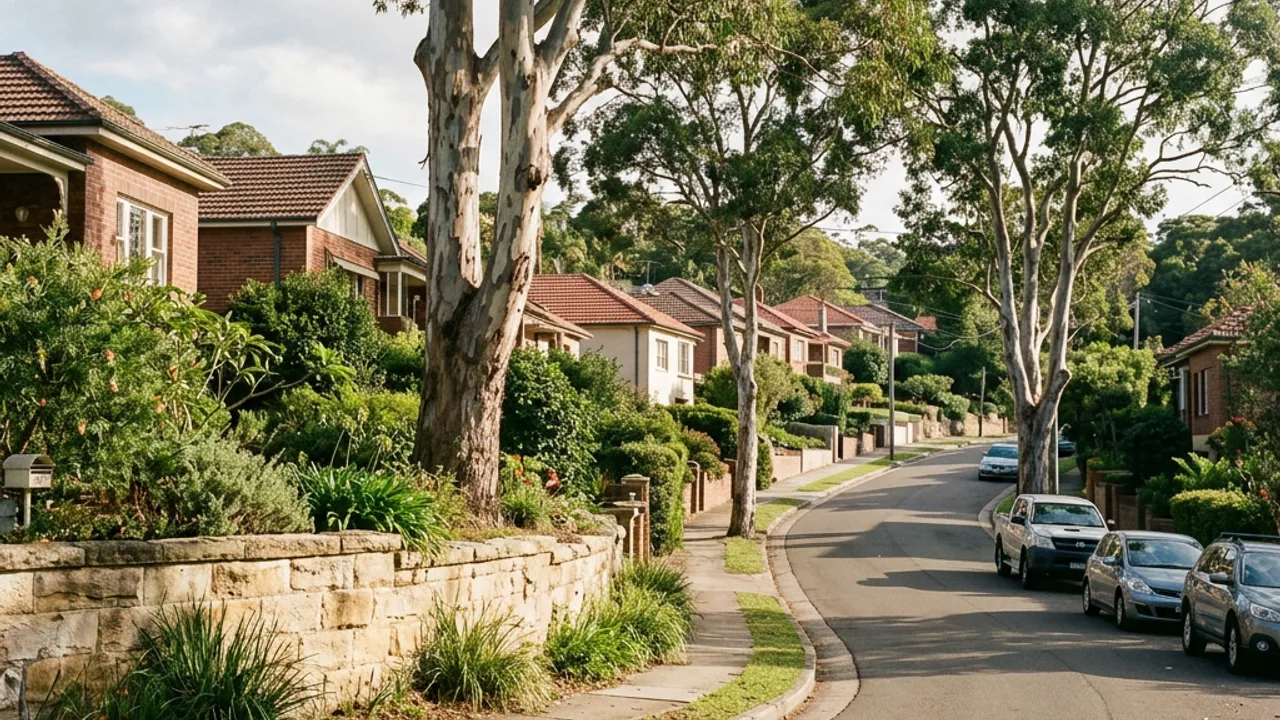
Retaining Walls Sydney - Suburbs We Serve
Harbourside sandstone terrain around Mosman means shallow soils over rock shelf, so a wall job here is usually about cutting and battering sandstone rather than fighting reactive clay.
Chatswood's mix of unit developments and older cut-and-fill blocks on the north shore ridge means both new engineered walls for driveway surcharge and repairs to ageing sleeper walls behind established houses.
Turramurra sits on the Ku-ring-gai sandstone plateau, where big leafy blocks and tree preservation orders both come into play - excavating near a protected tree's root zone needs its own council sign-off before a wall goes in.
Hornsby's plateau-and-gully topography, close to the mapped landslip areas around the Galston Gorge fringe, is where a geotechnical report gets asked for alongside the standard retaining wall application.
Manly's narrow peninsula lots between the beach and the harbour side put access at a premium - hand-barrowing or a small crane over a footpath is often the real cost driver, not the wall material itself.
Randwick's eastern suburbs sandstone sits close to the surface on many blocks, and the tight terrace-house lots common near the racecourse mean rock excavation and boundary setback checks both come up early in a job.
Ashfield sits on Wianamatta shale country in the inner west, where clay-rich weathered soil behind an older sleeper wall is the classic setup for bulging or leaning if the drainage was never done properly.
Leichhardt's inner-west terraces and semis on shale clay commonly carry low boundary walls between neighbouring yards, where the 1 m setback and 2 m separation rules for exempt development matter on narrow blocks.
Burwood's mix of older federation blocks and newer unit developments on shale-derived clay means drainage behind a retaining wall is doing real structural work, not just a compliance checkbox.
Parramatta's river-flat and shale-ridge mix, with heritage overlays around the old government precinct, is where a heritage check gets added to the usual Codes SEPP conditions before a wall near a listed property proceeds.
Blacktown's broad shale-clay plain and mostly flat-to-gently-sloping blocks mean retaining work here is more often a boundary or driveway-cut job than a steep-block terrace, but the reactive clay still calls for real subsoil drainage.
Penrith's Nepean River flats bring floodplain and overland-flow controls into play on top of the standard SEPP conditions, so a wall near the river corridor often needs a council read before the exempt test is even relevant.
Liverpool's south-western shale-clay blocks, close to the Georges River corridor, see a steady mix of new-build engineered walls for infill developments and repair work on older sleeper walls nearing the end of their life.
Campbelltown's undulating south-west blocks on shale-derived clay, many built as cut-and-fill house pads, are where surcharge from a driveway or extension commonly pushes a wall past the exempt-development threshold.
Botany's loose coastal sand and shallow groundwater near the bay change the build method more than the wall design does - lateral support during excavation and drainage below grade both need extra attention on sandy founding conditions.
Kogarah's southern bayside blocks sit over the sandy, shallow-groundwater country that runs down toward Botany Bay, so free-draining wall backfill and a properly connected stormwater line matter more here than soil reactivity.