
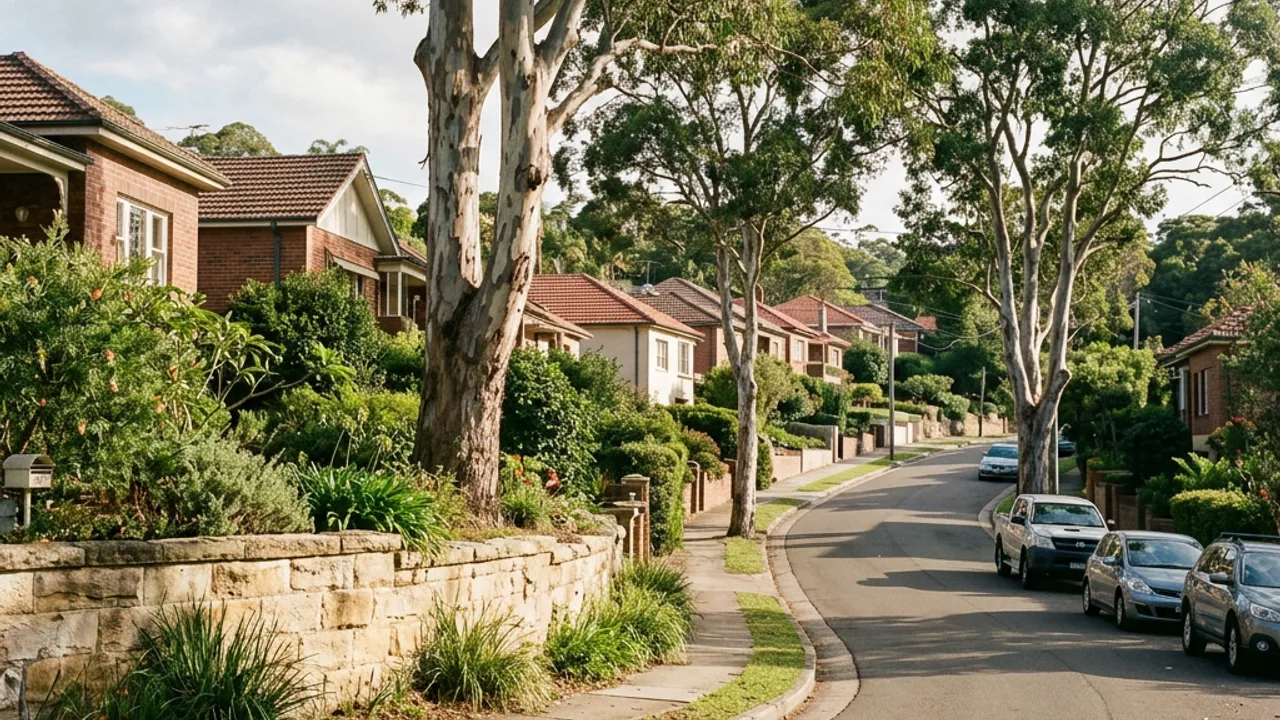
Retaining Walls in Turramurra
Turramurra sits on the Ku-ring-gai sandstone plateau, where big leafy blocks and tree preservation orders both come into play - excavating near a protected tree's root zone needs its own council sign-off before a wall goes in.
Turramurra's big, leafy blocks on the Ku-ring-gai sandstone plateau mean a retaining wall job here is as much about what is above ground as what is below it - established gum trees and gardens that a council will not let you dig around carelessly. Excavating within the structural root zone of a protected tree needs its own council approval, on top of the standard retaining wall standards.
Retaining Walls Sydney - Options in Turramurra
Sandstone or concrete sleeper walls both suit the terrain, but the real early decision on a Turramurra block is siting the wall to avoid a protected tree's root zone rather than picking the cheapest material - moving a wall line by a metre to dodge a tree preservation order can save weeks of approval delay. Long driveways cutting into the slope from Kissing Point Road or Pennant Hills Road are a common source of surcharge-triggering retaining work, since a driveway above a wall almost always pushes the job past the exempt-development threshold.
Why Turramurra Homeowners Use Our Help
We help you site the wall line to avoid a costly tree preservation delay where possible.
Specialists in our network are used to Ku-ring-gai Council's approval process.
We are upfront about when a long driveway means engineering is unavoidable.
Getting a Retaining Wall Built in Turramurra
Tell us where the wall line sits relative to any mature trees, and whether a driveway or vehicle load runs above it.
A specialist who knows this part of Sydney reviews your details and gets in touch.
A proper look at soil, drainage and access before any number is put in writing.
A written quote, approval where it applies, then construction and finishing.
About Turramurra
Turramurra is known for landmarks including Turramurra railway station, Turramurra Memorial Park and St Judes Turramurra.
Turramurra's large, established blocks - many backing onto bushland near Wahroonga and South Turramurra - carry mature native gardens that decades of growth have made genuinely valuable, which is why Ku-ring-gai Council's tree preservation controls are taken seriously here. Older properties near Turramurra station and Turramurra Memorial Park often still run on the original hand-cut terracing from when the blocks were first developed, and a good number of enquiries are about extending or rebuilding those older walls to suit a renovation rather than a first-time retaining job.
Cost and Compliance in Turramurra
Where a tree preservation order genuinely affects the wall line, factor in extra time for council assessment rather than assuming it adds much to the build cost itself - the bigger risk is a delayed start, not a bigger invoice. A driveway-linked wall triggering AS 4678 engineering typically adds a few thousand dollars in design and certification on top of the base construction cost, which is worth budgeting for from the first conversation rather than treating as a surprise later in the process.
Retaining Wall Services Available in Turramurra
On Ku-ring-gai blocks the siting question comes before the material question, and every system below can be built here once the tree constraints are known.
Talk to a retaining wall specialist
Get Help With Your Turramurra Project
Your details help us understand what you need and respond clearly.
More Sydney Suburbs We Cover
On a big, established Turramurra block, the trees and the terrain both deserve a proper look before anything is designed. Tell us about your site and any trees near the likely wall line, and we will help you find a specialist who can plan around them rather than into conflict with council.