Retaining Walls in Randwick
Randwick's eastern suburbs sandstone sits close to the surface on many blocks, and the tight terrace-house lots common near the racecourse mean rock excavation and boundary setback checks both come up early in a job.
Randwick's tight terrace-house lots, many of them close to the racecourse and the university and hospital precinct, put boundary retaining walls right up against the setback and separation rules more often than most Sydney suburbs - there is simply less room to move on a standard inner-city terrace block.
Retaining Walls Sydney - Options in Randwick
On a narrow terrace lot, the 1m boundary setback and 2m separation-from-other-walls standards under the Codes SEPP genuinely constrain what an exempt-development wall can look like, so a lot of Randwick jobs end up needing a Complying Development Certificate simply because the block does not leave room to satisfy every exempt standard at once. Sandstone sits close to the surface across much of the eastern suburbs sandstone ridge, so rock excavation is a real line item to budget for even on a modest boundary wall near Alison Road or Belmore Road.
Why Randwick Homeowners Use Our Help
We check the exempt-development setback rules against your terrace block before quoting.
Specialists in our network manage the CDC process where a boundary wall needs it.
We help sort out shared-wall responsibility questions with your neighbour early.
Getting a Retaining Wall Built in Randwick
Tell us how close the wall sits to the boundary and whether there is another retaining wall within two metres of it.
A specialist who knows this part of Sydney reviews your details and gets in touch.
A proper look at soil, drainage and access before any number is put in writing.
A written quote, approval where it applies, then construction and finishing.
About Randwick
Randwick is known for landmarks including Royal Randwick Racecourse, Prince of Wales Hospital and Randwick Community Centre.
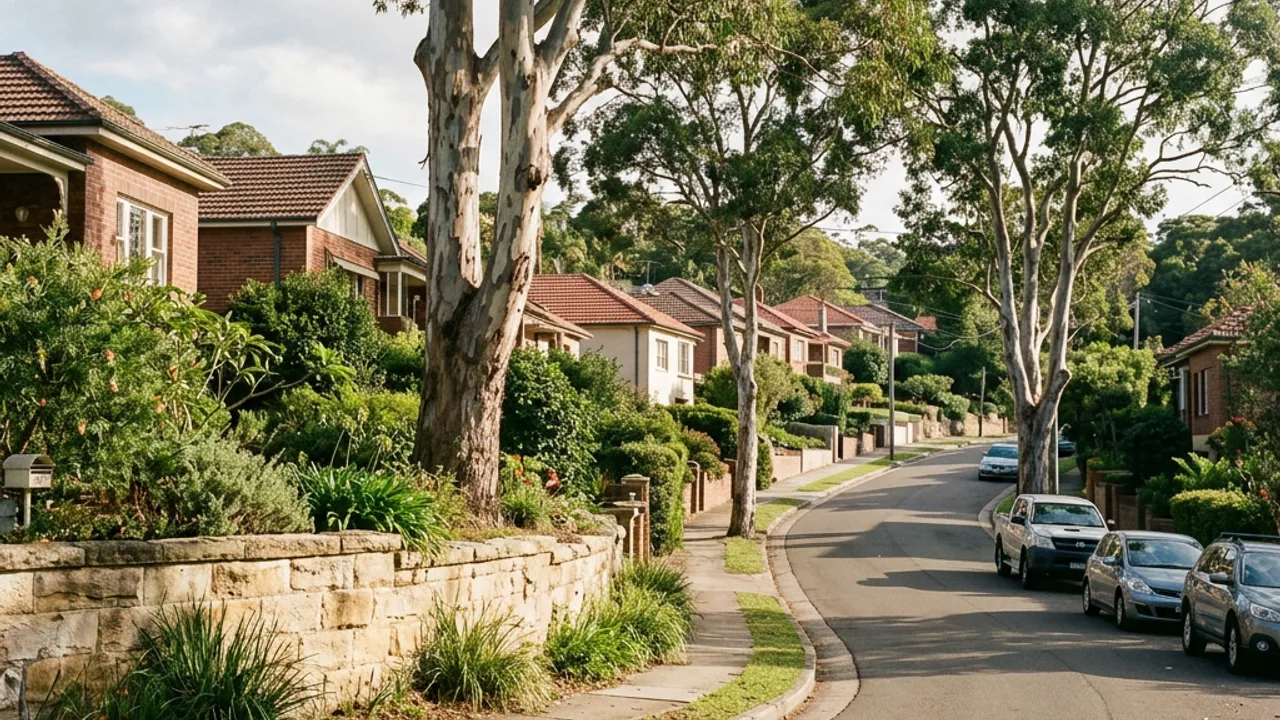
Randwick's dense terrace-house streets near the racecourse and Coogee carry a lot of shared boundary walls between neighbouring properties, which brings its own set of practical questions about access for construction and whose side of the fence line a wall actually sits on. The eastern suburbs sandstone that runs through Kensington and Clovelly gives the ground here real structural stability once excavated, which is one reason older sandstone boundary walls in this pocket have often lasted decades with only minor repair.
Cost and Compliance in Randwick
Where a Randwick block cannot satisfy the exempt-development setback and separation standards, budget for a Complying Development Certificate on top of the standard construction cost - the certifier fee and engineering sign-off typically add a low-thousands line item to the project, separate from the wall itself. Sandstone excavation on the harder rock pockets around the racecourse can also push a quote toward the upper end of the $400-$900+ per square metre band.
Retaining Wall Services Available in Randwick
On a Randwick terrace lot the setback and separation numbers usually decide the approval path, and the system choice follows from what the block allows.
Talk to a retaining wall specialist
Get Help With Your Randwick Project
Your details help us understand what you need and respond clearly.
More Sydney Suburbs We Cover
On a tight Randwick terrace block, checking the exempt-development setbacks against your actual site is the first thing worth doing, before assuming a wall will or will not need approval. Tell us your block dimensions and we will help you understand which pathway applies before you commit to a design.