
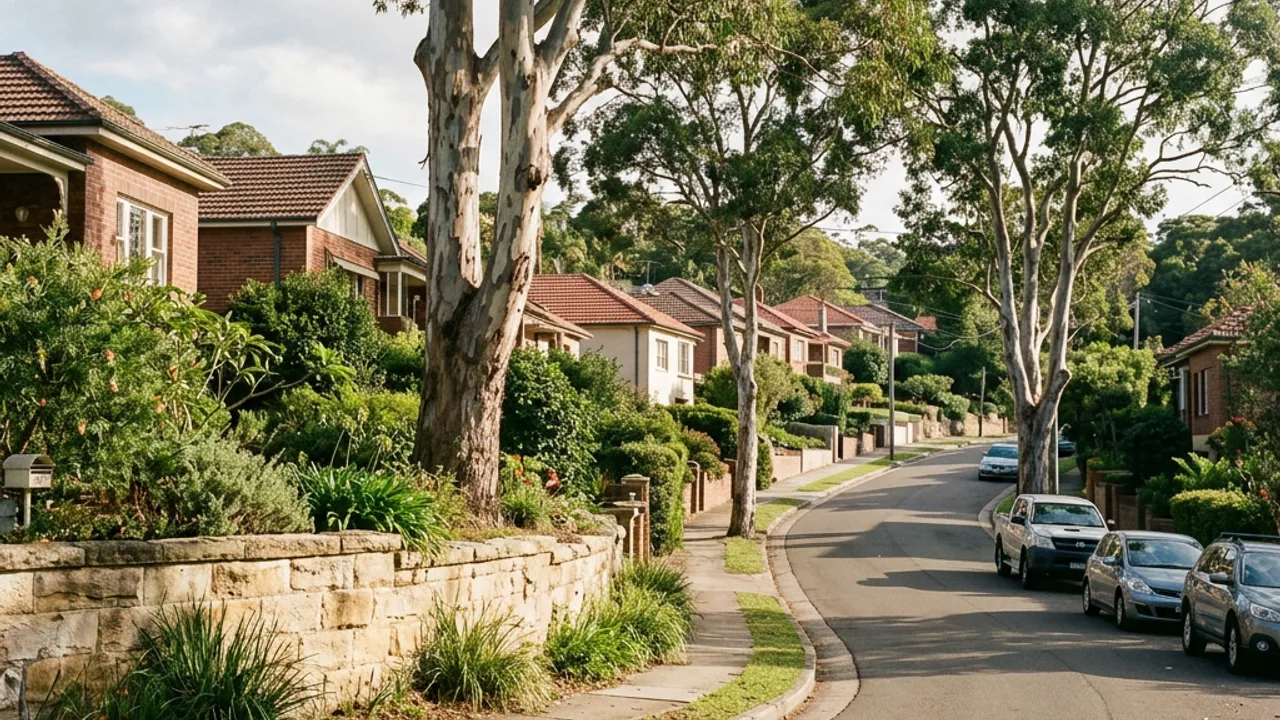
Retaining Walls in Campbelltown
Campbelltown's undulating south-west blocks on shale-derived clay, many built as cut-and-fill house pads, are where surcharge from a driveway or extension commonly pushes a wall past the exempt-development threshold.
Campbelltown's undulating south-west blocks, many originally built as cut-and-fill house pads on shale-derived clay, are where a driveway or an added structure most commonly pushes a wall past the exempt-development threshold - the terrain here was shaped by construction as much as by nature.
Retaining Walls Sydney - Options in Campbelltown
Because so many Campbelltown blocks started life as an engineered cut-and-fill pad, an existing retaining wall here is often original to the house and now decades old - assessing whether that original wall and its footings can safely support a renovation or extension is a common first step before any new work is quoted. Surcharge from a driveway, carport or pool added after the original build is the most frequent trigger for needing AS 4678 engineering on a wall that might otherwise have stayed within the exempt standards. Where an original wall checks out sound, extending or building alongside it is usually more cost-effective than a full replacement, which is why the assessment step is worth doing before assuming a rebuild is needed.
Why Campbelltown Homeowners Use Our Help
Original cut-and-fill walls are assessed before any renovation quote is finalised.
Specialists in our network understand Campbelltown's house-pad construction history.
We flag surcharge triggers like driveways and pools before they become a compliance surprise.
Getting a Retaining Wall Built in Campbelltown
Tell us whether the existing wall came with the house as part of the original cut-and-fill pad, and whether a renovation will load it.
A specialist who knows this part of Sydney reviews your details and gets in touch.
A proper look at soil, drainage and access before any number is put in writing.
A written quote, approval where it applies, then construction and finishing.
About Campbelltown
Campbelltown is known for landmarks including Campbelltown Mall, Koshigaya Park and Campbelltown Catholic Club.
Campbelltown's growth through Ambarvale, Bradbury and Rosemeadow followed a period of large-scale cut-and-fill development, which left a lot of blocks with a retaining wall built as part of the original house pad rather than added later - and those original walls are now old enough that a genuine assessment of their condition is a sensible first step before any renovation project near Queen Street or Narellan Road gets underway.
Cost and Compliance in Campbelltown
Assessing an original cut-and-fill wall before quoting a renovation is a modest cost against the risk of building on top of a structure that will not carry the added load - it is worth doing even when the wall looks sound on the surface. A new engineered wall triggered by an added driveway or extension follows the standard AS 4678 design and CDC or DA cost pattern seen across the rest of Sydney's shale-clay suburbs.
Retaining Wall Services Available in Campbelltown
On Campbelltown's original house pads the first question is usually whether the existing wall can carry what you are planning to add.
Talk to a retaining wall specialist
Get Help With Your Campbelltown Project
Your details help us understand what you need and respond clearly.
More Sydney Suburbs We Cover
Before any renovation near Ambarvale, Bradbury or Rosemeadow moves ahead, an assessment of the existing cut-and-fill wall is worth doing early - it can change the scope and cost of the whole project. Tell us about your plans and we will help you get that assessment sorted first.