
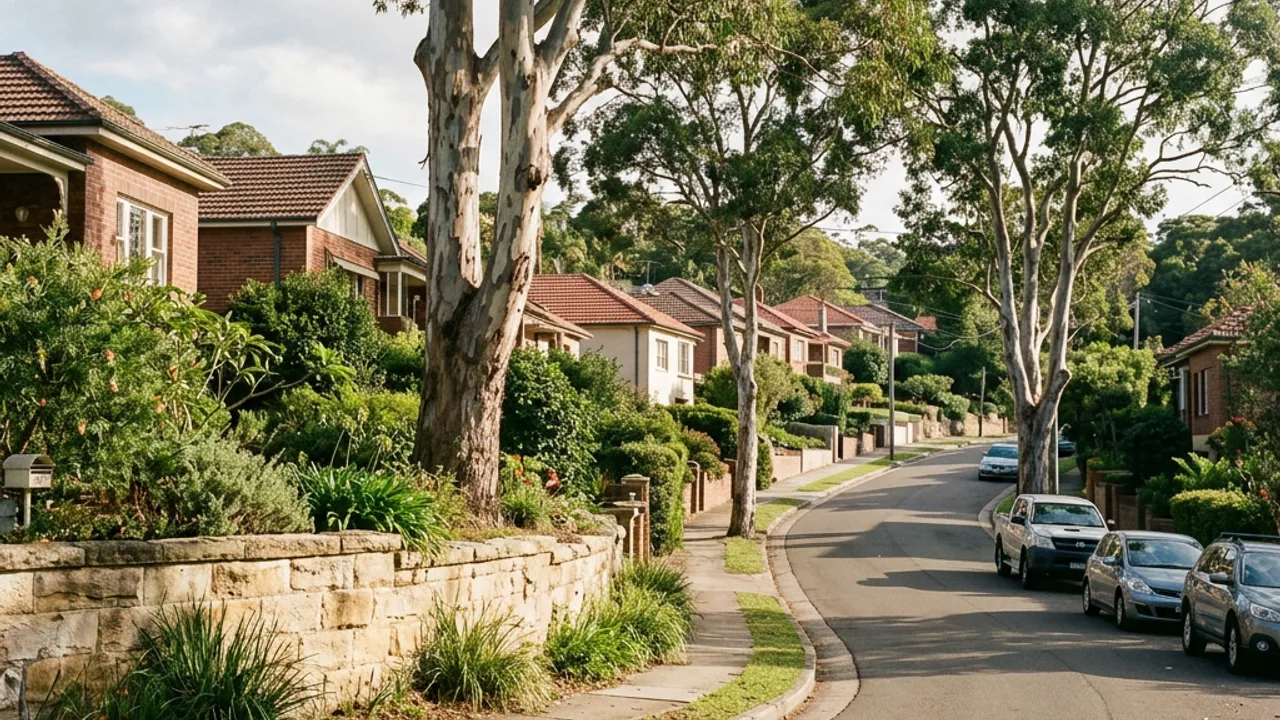
Retaining Walls in Kogarah
Kogarah's southern bayside blocks sit over the sandy, shallow-groundwater country that runs down toward Botany Bay, so free-draining wall backfill and a properly connected stormwater line matter more here than soil reactivity.
Kogarah's southern bayside blocks sit over the same sandy, shallow-groundwater country that runs down toward Botany Bay, which means free-draining wall backfill and a properly connected stormwater line matter more here than soil reactivity - a well-drained wall on this ground rarely fights the clay-swelling problems common further west.
Retaining Walls Sydney - Options in Kogarah
Because the sand here drains freely by nature, the risk is less about trapped water building pressure behind the wall and more about groundwater moving through and around the footings during construction - a specialist familiar with bayside sand conditions will plan the dig and the drainage connection accordingly rather than applying a shale-clay approach to a sandy site. Concrete sleeper and besser block both perform well on this ground once the footing and drainage detail account for the sand.
Why Kogarah Homeowners Use Our Help
Walls here are built for Kogarah's sandy, shallow-groundwater conditions, not a generic clay-ground default.
Specialists in our network get the stormwater connection right near the bay.
Older walls near Hurstville and Carlton are checked for drainage-detail gaps first.
Getting a Retaining Wall Built in Kogarah
Tell us where the site stormwater connection runs. On bayside sand the drainage line matters more than soil reactivity.
A specialist who knows this part of Sydney reviews your details and gets in touch.
A proper look at soil, drainage and access before any number is put in writing.
A written quote, approval where it applies, then construction and finishing.
About Kogarah
Kogarah is known for landmarks including Kogarah railway station, St George Hospital and Carss Bush Park.
Kogarah's streets around Princes Highway and English Street, close to St George Hospital and Carss Bush Park, sit on the sandy coastal lowlands that extend from Rockdale and Ramsgate down toward Botany Bay - noticeably different founding conditions from the shale-clay suburbs further north and west. A good number of the area's older homes near Hurstville and Carlton carry retaining structures original to their construction, and on this sandy ground the more common issue is a drainage or footing detail that never quite suited the sand rather than reactive-clay movement.
Cost and Compliance in Kogarah
Because Kogarah's sandy ground does not carry the same reactive-clay risk as the inner west or western suburbs, a well-drained wall here tends to be a lower-maintenance long-term proposition once built correctly, even though the upfront construction approach needs to account for the sand and shallow water table. Standard concrete sleeper and besser block pricing applies, generally $550-$800+ per square metre before GST, excavation, drainage and engineering.
Retaining Wall Services Available in Kogarah
Free-draining ground changes the priority in Kogarah: the footings and the dig plan carry more risk than the material choice.
Talk to a retaining wall specialist
Get Help With Your Kogarah Project
Your details help us understand what you need and respond clearly.
More Sydney Suburbs We Cover
If you are near Kogarah and weighing up a new wall or a repair to an older one, tell us what you are seeing and we will help you understand whether it is a drainage fix or a genuine rebuild. Send through your details to get started.